Are We Alright? – The Irony of Superbowl 59’s Game, Ads, & Halftime Show

Super Bowl LIX aimed for historical significance as Kansas City sought to win three consecutive championships, a feat achieved by only the Green Bay Packers. The event featured notable ads addressing social issues and a halftime showcasing a bold music artist, though much remained unsaid during the festivities. Here’s my take on some of the messages behind the messaging…

Beware of those who speak for God(s): On Trump’s Inauguration Statement & Those Who Claim Divine Revelations

What do you do when individuals claim to speak for God? Is the statement manipulative, dogmatic, honest, or something else? Why not question the validity of personal revelations? This post highlights the tension between individual beliefs, urging for authenticity and active listening instead of control and dogmatism in discussions about spirituality and truth.

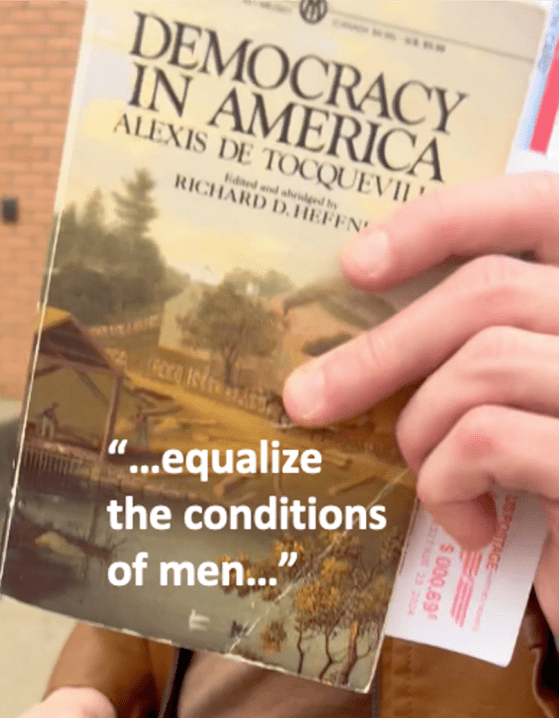
the neti neti project 01: voting 2024

The neti, neti project encourages a healthier, wealthier lifestyle through silent action. Emphasizing the concept of “neti, neti” (“not that, not that”) encourages acceptance of life’s uncertainties and imperfections. The video series aims for iterative improvements over unattainable perfection. This video reflects on old democratic principles from Alexis de Tocqueville.

On Battle Cry of Freedom: The Civil War era

“Battle Cry of Freedom: The Civil War Era” by James McPherson explores the concept of freedom and its preservation in America. The Pulitzer Prize-winning book delves into the complexities of individual, regional, and national interests in America in the 1800’s. The book presents an opportunity to learn from history.

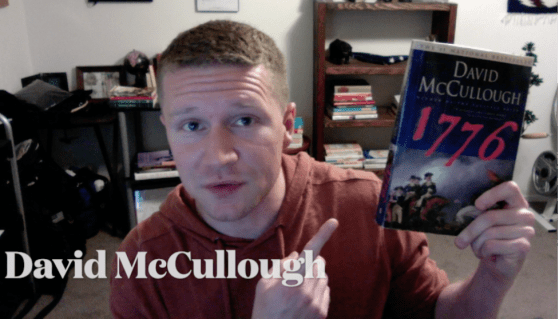
On 1776 by David McCullough: Do the Details Matter?

David McCullough’s “1776” presents a vivid portrayal of Colonial America’s complexities and challenges, showcasing the grim realities of war. The book urges readers to resist painting history with nostalgic heroics and instead embrace its intricate and thought-provoking nuances, encouraging a deeper understanding of the past.

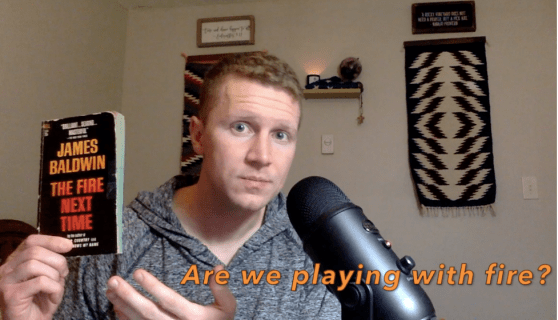
On The Fire Next Time: James Baldwin’s Warning to America

In the 1962 book “The Fire Next Time” by James Baldwin, addresses the divide between people in the 1960s United States and beyond. Baldwin’s writing reflects on the traumas, fears, hypocrisies, and hopes of both majority and minority populations while warning against hate, violence, and oppression.