

Vertigo is (1) dizziness characterized by spinning sensations and (2) the title of a 1958 film by Alfred Hitchcock. But, is it also a fair way to describe (3) the 2025 cultural zeitgeist?

(1) Medical vertigo describes when you or your surroundings whirl or spin. (2) The film Vertigo (1958) follows a dizzy detective (James Stewart) as he obsesses over a woman (Kim Novak) he is hired to surveil. And, I argue, (3) the milieu definition of vertigo (see “b” below) illustrates the mass confusion of a rapidly changing multi-polar world.
Vertigo
Merriam-Webster Dictionary Est. 1828
a: a sensation of motion in which the individual or the individual’s surroundings seem to whirl dizzily
b: a dizzy confused state of mind
Vertigo: The Medical Condition
If you have ever felt like you are spinning or the room is spinning around you, you have felt vertigo. It’s more of a feeling, sensation, or symptom than an objective sign or specific diagnosis*. Medical professionals have varying levels of training or specialties to address vertigo’s whirling or spinning feeling. Testing can lead to treatments that may help resolve symptoms of vertigo. But these symptoms can also be maddeningly persistent. This is the medical definition of vertigo (a).
*The International Classification of Diseases (ICD-10) codes for vertigo are:
General Vertigo:
- R42: Dizziness and giddiness
Specific Types of Vertigo:
- H81.4: Central vertigo
- H81.0: Meniere’s disease
- H81.1: Benign paroxysmal positional vertigo (BPPV)
- H81.2: Vestibular neuritis
- H81.3: Peripheral vertigo (unspecified)
Other Related Codes:
- T75.23: Vertigo from infrasound
- H81.399: Other peripheral vertigo, unspecified ear
- Z47.9: Follow-up care for other specified conditions

Imagine losing your equilibrium. You try to move and stand up, but you can’t because each time you do you fear you will either fall over or throw up. That could be a severe case of vertigo that may require a visit to your primary care provider, ear-nose-throat (ENT) doctor, neurologist, or other vestibular specialist, if not an urgent care facility.

Medical professionals can help you work through your signs and symptoms to ascertain potential reasons and solutions for your spinning head or surroundings. That process may take days, months, or years. It’s not always simple, but it’s usually beneficial. And, for some people, it’s necessary.
Vertigo: The Movie
When I half-watched Hitchcock’s Vertigo (1958) a handful of years ago, I thought the characters had too much of an age gap, both seemed mentally unstable, and they were boring. The film’s dream-like trance set a chimeric atmosphere of eternal longing. It seemed like the dizzy old guy wanted to be with a much younger woman because he was afraid of getting older and facing his fate: death. I think the protagonist’s behavior, not his whirling/spinning symptoms (a), left me feeling more of the second type of vertigo (b): “a dizzy confused state of mind”.

The movie just felt unrealistic. Any man can be with a woman decades younger than him. But it feels unlikely to last for three main reasons: (1) she does not want him, (2) the thing that sustained the relationship is unsustainable (e.g. money, desire, youth, appearance, popularity, etc.), or (3) he dies. Romances with large age gaps rarely last as long as romances between friends of a similar age.
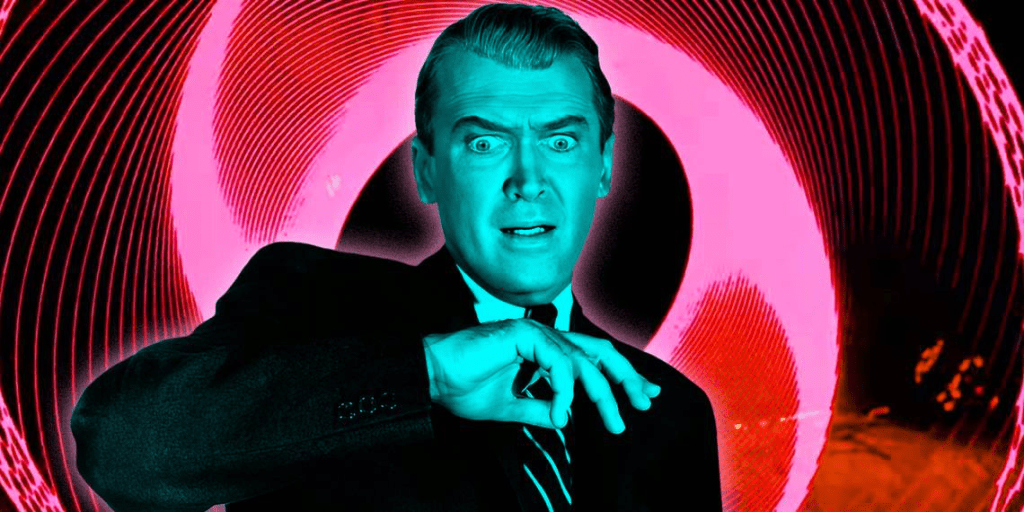
So, Vertigo (1958) is a movie you can watch once to reflect on Freudian psychoanalysis or death anxiety while enjoying some 1950’s cinematography. But Vertigo‘s lack of realism is one reason of the many reasons most viewers never rewatch. Few viewers rewatch it again… and again… and again…

If you do enjoy rewatching Vertigo (1958) it’s probably because you have an obsession of your own. It could be Hitchcock’s suspenseful cuts and camera work, thriller and noir films, unhealthy relationships, one of the actors, San Francisco, California, Hollywood movies, cinema psychology, etc. But one of the reasons the film Vertigo has aged so well may be related to the lallapalooza effect.

A lallapalooza is “extraordinary or unusual thing, person, or event” (Dictionary.com, 2025). The lallapalooza effect describes a fantastic occurrence resulting from the combined outcomes of multiple strong effects, especially psychological tendencies, biases, and heuristics. Vertigo‘s long-term popularity among movie critics and film buffs is at least a remarkable coincidence if not a lallapalooza effect.
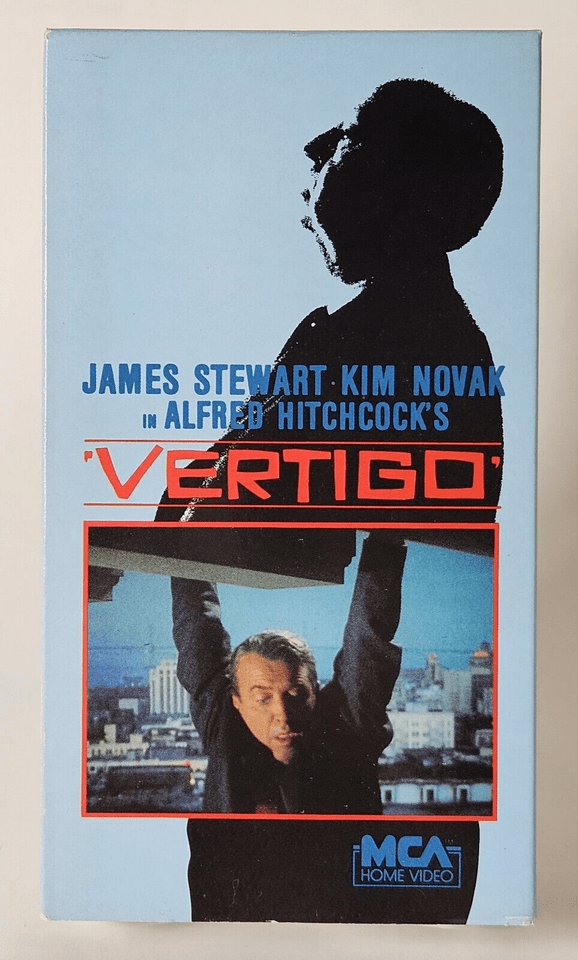
Vertigo (1958) a product of multiple masters (e.g. Hitchcock, Stewart, Novak, Freud, etc.) weaving their art and talents together into symphonic variations on a central theme. Like other lallapalooza works, Vertigo (1958) tempts you to try to break it down into pieces while sabotaging your efforts to do so. That may help explain why so many movie critics enjoy rewatching it again… and again… and again.
Vertigo: The Mass Confusion
Mass hysteria or collective psychosis, also known as mass psychogenic illness (MPI), is “collective anxiety due to a perceived threat and can culminate in a cascade of symptoms suggestive of organic disease without an identifiable cause” (Costa et al., 2022). This could be masses of people reporting the same apparently fictional event, presenting with the same medical complaints, or displaying the same psychotic behaviors. This appears to be what has happened in fringe cults and the totalitarian regimes of the 1930’s and 1940’s. But times are different now, right?

While I don’t know of any large groups of people concomitantly reporting idiopathic vertigo, I see the beginnings of mass hysteria or at the very least, collective fear, in the form of increased symptoms of loneliness, anxiety, and depression (Goodwin et al., 2020; Murthy, 2023; World Health Organization, 2022). These psychological feelings or symptoms have yet to be identified as a mass psychosis, but there is some evidence that mass psychogenic illness (MPI) is under-appreciated (Bartholomew et al., 2012; Halimi et al., 2025). While it is wrong to classify increased prevalence psychological symptoms as a mass psychogenic illness, a general vertigo – (b): “a dizzy confused state of mind” – may be an appropriate description of a cultural milieu that has developed over the last five years.
“Factors related to the occurrence of mass psychogenic illness in schools: a systematic review”
Results: “Nineteen studies were included. We identified 10 distinct factors associated with MPI outbreaks in schools, including (1) the spread of rumors and misinformation, (2) community pressure and persistent rumor dissemination, (3) lack of attention to mental disorders, (4) anxiety due to pseudo causation, (5) negative perception of the authorities, (6) the presence of psychological stressors, (7) media coverage and public anxiety, (8) physical proximity and perceived threat, (9) social media influence, and (10) psychological vulnerability. These factors were found to act as causal triggers or exacerbating elements, leading to the initiation and amplification of MPI outbreaks.” (Halimi et al., 2025)
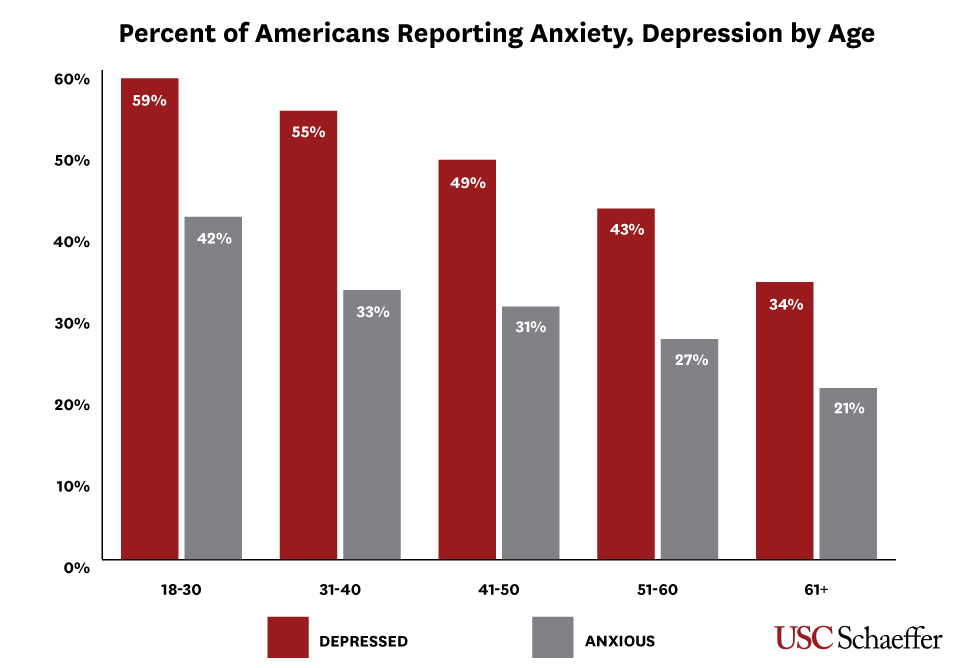
A general dizzy and confused state of mind periodically occurs, but it seems more pervasive in the United States since the beginning of the coronavirus pandemic. The world was at ease, then, on alert. Businesses were open, then, shut down. Countries were on lockdown and markets crashed, then, money was printed and markets soared as businesses fought to reopen.
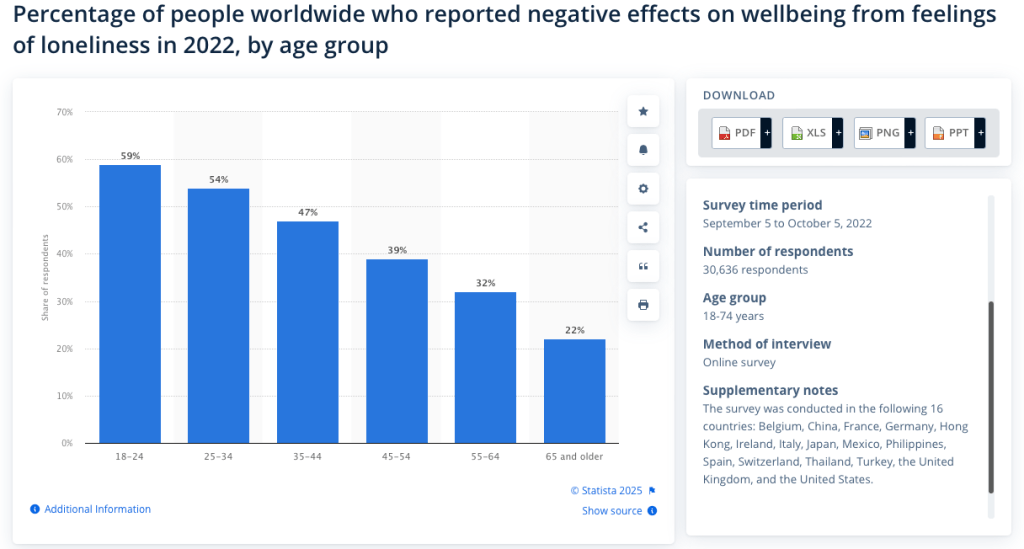
Find more statistics at Statista
Then there was the Capitol riot on January 6th, 2021, the mass murder and abductions of October 7th, 2023, the assassination attempt on July 13th, 2024, and the bombing of Iranian nuclear facilities on June 22nd, 2025. If all of these moments felt emergent, concerning, and consequential, you are not alone. You may not be the only one who feels like you need to have your head on a swivel.
But, do you need to have your head on a swivel? That is a question worth asking. You may not.
The Unseen:
What is seen is a whole lot of breaking news, social media posts, and artificial intelligence imagery. What is not seen is the reality behind the screen. People slaving away to grab a little more of your attention and make a buck. Things change when you start to focus on the unseen:
- Seen: Best filtered angle of a swoll, starved & dehydrated makeup-laden influencer post workout
- Unseen: Normal unfiltered angle of a full & hydrated makeup-less influencer pre workout

- Seen: Best edit of the most viral clips of the least relevant but most infuriating news
- Unseen: Poor edits of the least viral but most relevant & least infuriating news

- Seen: Attention-grab ads for unnecessary overpriced products that overpromise & underdeliver
- Unseen: Unadvertised, necessary, and underpriced products that underpromise & overdeliver
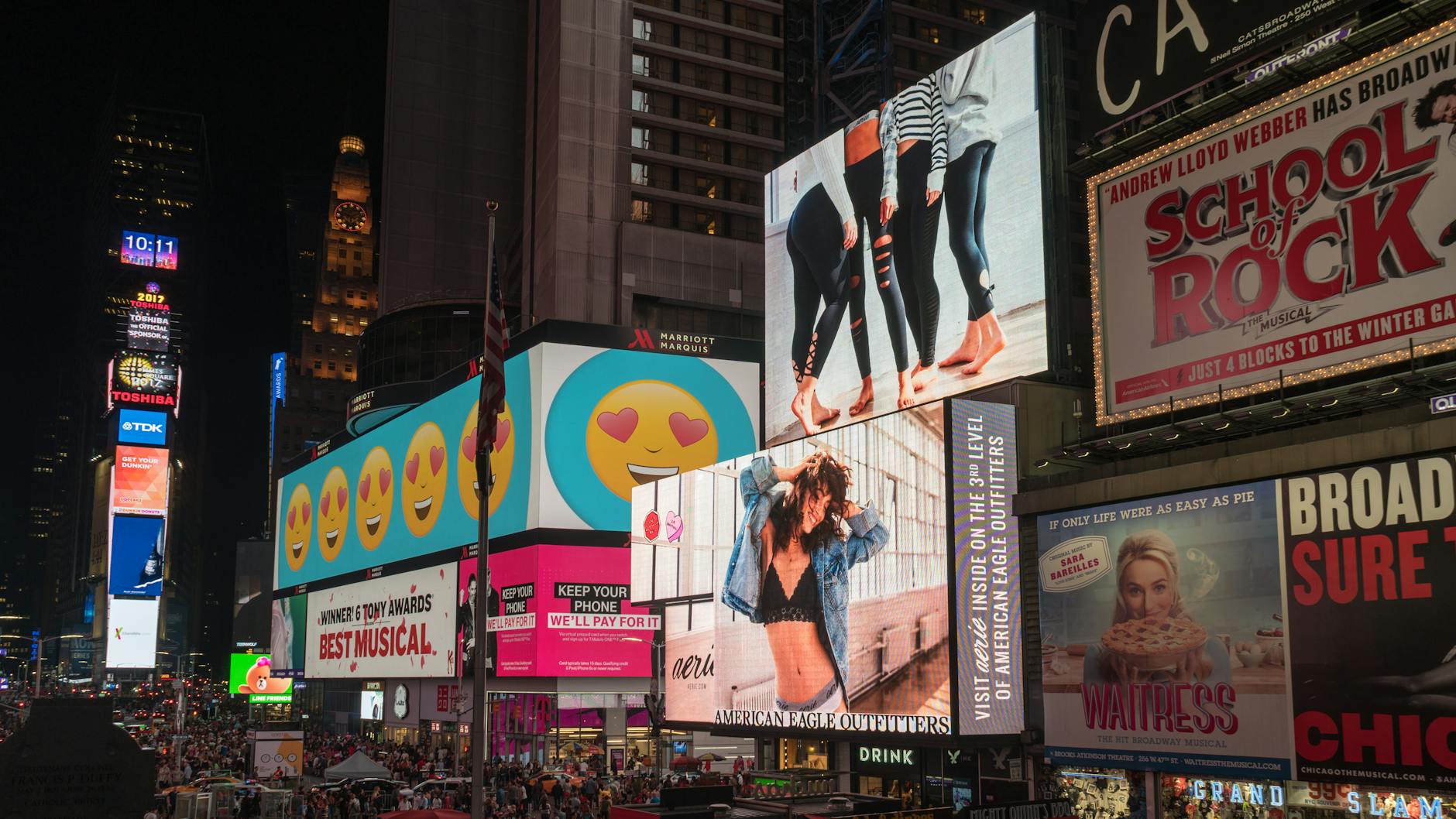
- Seen: Everything you want or like but are not or have never had…
- Unseen: Everything you need, like, are, & have already…

Sometimes you need to have your head on a swivel. Most of the time, you don’t.
Vertigo is a word that fascinates me because it has multiple meanings and layers. It’s a specific symptom of dizziness, a critically-acclaimed movie, and one way to describe the general feeling that our world may be on the verge of another psychogenic epidemic. Whether it’s used to describe dizziness, a weird movie, or collective confusion, vertigo is an imperfect word for a troubled world.
Vertigo & the Vote:
Just like an individual can visit a healthcare provider to work through physical vertigo, a population can work through cultural vertigo. Medical vertigo often requires special tests and physical treatments. Cultural vertigo requires courage, curiosity, and conscientiousness. Both require bottom up collaboration and effort.

If the protagonist (James Stewart) of Vertigo (1958) had a little more courage, curiosity, and conscientiousness, he would have sought tests/treatments for his physical symptoms of vertigo while avoiding a catastrophic conflict of interest But that’s not a very suspenseful plot, is it? Hollywood movies, news media, big businesses, and influencers all need to stimulate suspense, cravings, shock, or rage in order to earn your attention.
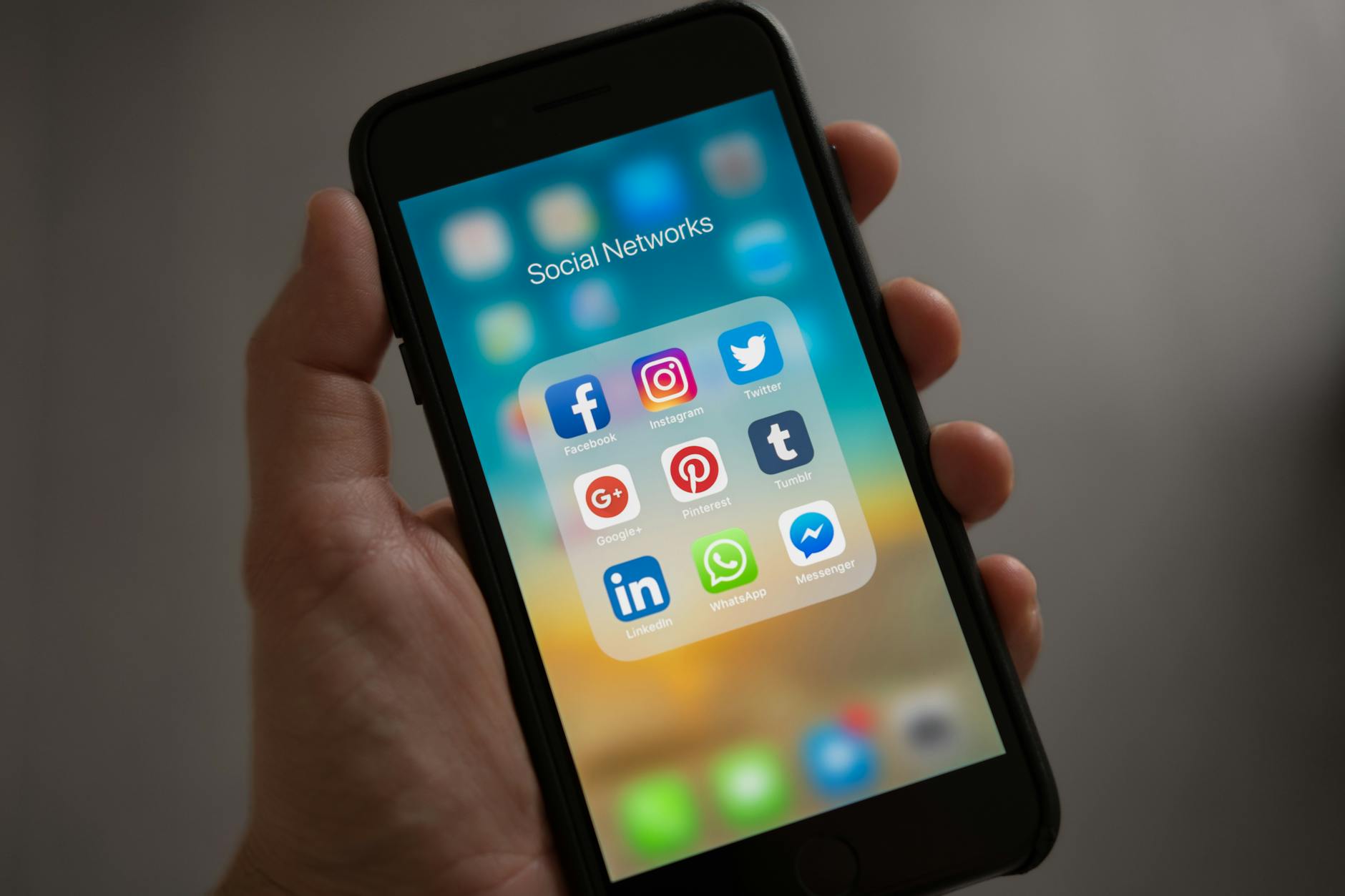
Your eyes are the ticket to your ears and your bank account. Great sellers don’t need to ask for a sale if they hook your attention. They command it.
Vertigo can be used to describe the feeling that you are losing control of yourself. Someone or something else commands you. An eerie ethereal force slowly neutralizes your vigor and autonomy.

Spin doctors will claim their cause and effect narratives. People will take credit for this or that. And you are never be able to tell if they are telling the truth. So, you just go with what sounds good.
A person, place, or thing grabs your attention. You get vertigo. And it gets your vote.

Voting is your civic duty, but a better definition of your “vote” is time and energy. That’s really all you have in life. It’s the key to everything else. And it’s finite.
You have a limited supply of the following:
(1) Time/attention (e.g. minutes, hours, days, months, years)
(2) Energy/effort (e.g. calories, money, resources)
(3) Votes (e.g. family choices, business decisions, local or national elections)
You don’t need to wait until the next election to start making an impact with your votes. You vote every day with each purchase, movement, or look. What do you buy? Where do you go? What do your eyes and ears attend to? Those are your votes: 24 hours, 7 days a week.

Ask yourself some questions:
- What is my number one priority? Am I prioritizing it? What can I drop?
- Do I really want/need this product? Do I really need to shop at this store?
- Is this person, place, or thing good for me? Is it serving me or am I serving it?
- How do I feel after I watch and listen to the things I attend to? Is that healthy?
- If I was to remove my attention and reallocate it elsewhere, what would happen?
- Does the world depend on me attending to it? Or can it let me know when it needs me?

The vertigo of this moment in time is multifactorial: trauma, arms races, climate change, geopolitics, social media, death anxiety, sexual selection, artificial intelligence, human sociology and psychology, the old fashioned greed of extractive economics, the overgrown egos of tiny tyrants stuck in the insecurities of their childhoods… the list goes on and on. It’s information overload. It’s too much noise. And the outcome is… vertigo.

If you don’t like the outcomes, change your votes. Input leads to output. Change your inputs.
- Be healthier. Stop eating/drinking processed and artificial junk full of fat, salt, & sugar.
- Take out the trash. Get rid of stuff you don’t use. Sell it. Donate it. Give or throw it away.
- Read and write but not too much. Slow your mind and get some sleep. Appreciate nature.
- Reduce your screen time and tune out for a while. Shut it down. Go outside and walk or jog.
As Kendrick sings, “Turn this TV off!”*

“Turn this tv off!”
*See Cutting back on social media reduces anxiety, depression, loneliness (2023).
Sometimes you just have to turn down the volume to hear something or get a little closer to it before you see it. You can still keep up with the people you really love and who really love you while you try to do nothing but the most important things. Like…
- “Eat [real] food, not too much, mostly plants.” – Michael Pollan
- Move more. Know where you’re going and why. Leave early. Don’t rush.
- Sleep. Go to bed at the same time every night in a cool, quiet place. Naps work too.

Stop the vertigo. Enjoy your life.

Sources:
Bartholomew, R. E., Wessely, S., & Rubin, G. J. (2012). Mass psychogenic illness and the social network: is it changing the pattern of outbreaks?. Journal of the Royal Society of Medicine, 105(12), 509–512. https://doi.org/10.1258/jrsm.2012.120053
Costa, A., Jesus, S., Almeida, M., & Alcafache, J. (2022). Psychogenic epidemic – mass hysteria phenomena in Portugal. European Psychiatry, 65(Suppl 1), S395. https://doi.org/10.1192/j.eurpsy.2022.999
Cutting back on social media reduces anxiety, depression, loneliness – News Service. (2023). https://www.news.iastate.edu/news/cutting-back-social-media-reduces-anxiety-depression-loneliness
Goodwin, R. D., Weinberger, A. H., Kim, J. H., Wu, M., & Galea, S. (2020). Trends in anxiety among adults in the United States, 2008-2018: Rapid increases among young adults. Journal of psychiatric research, 130, 441–446. https://doi.org/10.1016/j.jpsychires.2020.08.014
Halimi, A., Jarrahi, A.M., Kian, N. et al. Factors related to the occurrence of mass psychogenic illness in schools: a systematic review. Soc Psychiatry Psychiatr Epidemiol (2025). https://doi.org/10.1007/s00127-025-02949-6
Murthy, V. H. (2023). Our Epidemic of Loneliness and Isolation: The U.S. Surgeon General’s Advisory on the Healing Effects of Social Connection and Community. https://www.hhs.gov/sites/default/files/surgeon-general-social-connection-advisory.pdf
World Health Organization: WHO. (2022, March 2). COVID-19 pandemic triggers 25% increase in prevalence of anxiety and depression worldwide. https://www.who.int/news/item/02-03-2022-covid-19-pandemic-triggers-25-increase-in-prevalence-of-anxiety-and-depression-worldwide

 Deliberating Truth