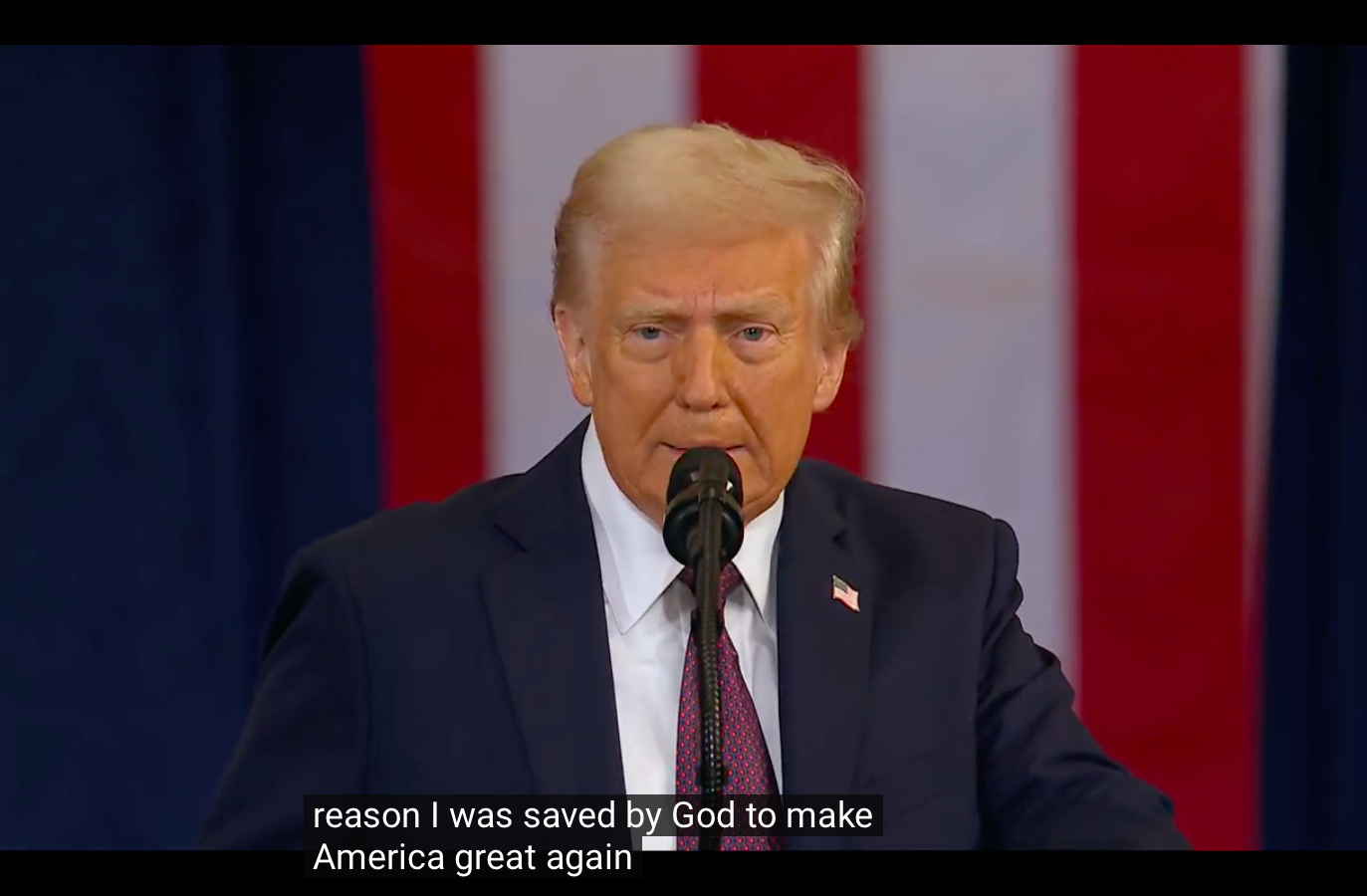
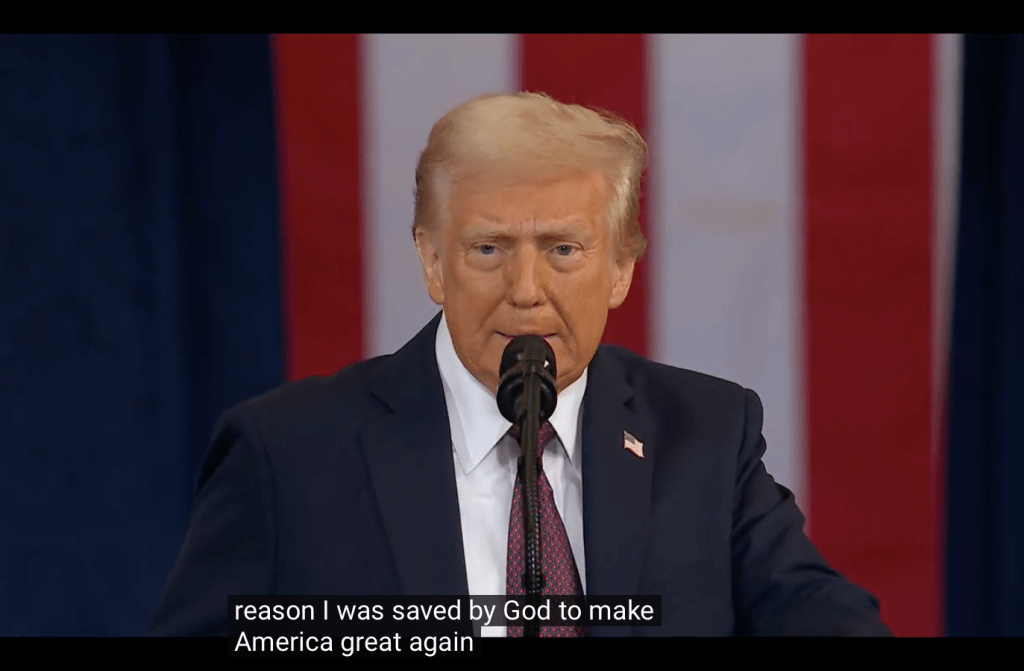
“I was saved by God to make America great again.” – President Donald J. Trump, January 20, 2025
It comes in a variety of forms: “God told me…”, “I heard God say…”, and “The Lord told me…”. Sometimes it’s more subtle, “God says…”, “The Lord says…”, or “God’s Word says…”. The revelatory form is more disturbing as it suggests the person has a special relationship with God. But they all suggest something dangerous – I know THE Truth.
But do you reallyknow THE Truth? Is God exactly what you think God is? And where does your knowledge of God end? You may absolutely know His name, laws, personality, history, and character traits. But do you absolutely know His favorite languages, cultural preferences, preferred climate and people, or who He does and does not save?
When you speak for God(s), you answer the who, what, when, where, why, and/or how of God(s) behavior. Think about President Trump’s statement: “I was saved by God to make America great again.” President Trump is suggesting that on July 13, 2024, God orchestrated events to make a shooter’s bullets miss President Trump. President Trump says he was, “…saved by God…”, but what about the other three people who were shot that day?
President Trump is suggesting that God allowed a bullet to touch only his ear because God’s purpose for the president is “…to make America great again.” But one of those shot on that day did not survive. Why did God allow him to die? If President Trump can tell us why his life was spared, can the President also tell us why Corey Comperatore’s life was not spared?
Many people listen for what they think or want God(s) to say, so speaking forGod(s) is often manipulative. When you speak for God(s), you assert yourself above other people who do not speak for God(s). Some people, especially your children or other people who may want to trust you, will believe you without really questioning it. But some more agreeable or hypersensitive people like myself need to be reminded of that option.
If you say God told you something that He didn’t tell me, two options come to my mind: (1) God likes or speaks to you more than He likes or speaks to me and I should listen to you, or (2) you’re lying. I know the feeling of hearing people I love and respect say that God spoke to them. When I was a child, I believed them. As I grew older, I started asking if they meant it literally or figuratively. Then I started wondering if I should believe them whether or not they meant it figuratively. And, as an adult, I often take what they say metaphorically and try to understand the psychological meaning of what they are saying.
But, if I am trying to decipher the psychological meaning of something a person is saying, am I actually listening to that person? Or, am I playing a game? Am I now trying to manipulate them?
Do you see why speaking for God(s) might be problematic? Do you see why my frustration with it is also problematic? When did we stop actively listening to each other and start trying to control each other? Has it always been this way?
No one needs to invoke God(s) to be manipulative or dogmatic. A simple case is that of the Atheist who opposes God(s) with as much zeal as the ardent Christian. The Christian condemns all non-Christians to eternal hell while the Atheist condemns everyone to eternal nothingness. The outcome is dogmatic either way.
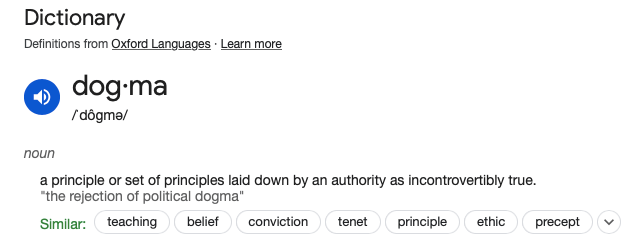
Dogma is something you know is absolutely true. It may seem harmless at first. It comforts you. Why would it disturb others? But it often does disturbs others because a belief that helps you may hurt someone else.
Most people feel threatened by beliefs that contradict their own. If your one, true God is real, other people’s God(s) must be false. If your absolutist belief is true, all other opposing beliefs are wrong. If you are absolutely right, everyone who contradicts you is absolutely wrong. But, do we need to fear disagreement and contradiction?
Why can’t we agree to disagree? When someone says, “God does not exist…”, why can’t we be skeptical? When someone says, “I know…”, why would we assume they do? And when someone speaks for God(s), why not beware?
Some people prefer to speak of themselves and for God(s). Many prefer to speak of God(s) and for themselves. Which one do you want to be?
I think I could benefit from more authenticity and active listening. The next time I feel someone is trying to influence me by saying God whispered something to them, or gave them a vision, or saved them, I should just politely interrupt them with a few questions starting with: Really? God didn’t tell me that? Do you mean that literally or figuratively?



 Deliberating Truth