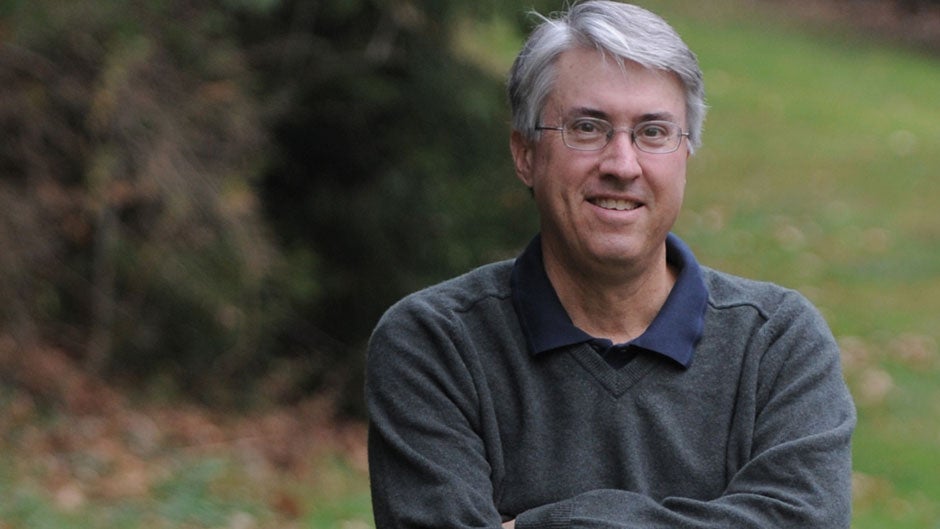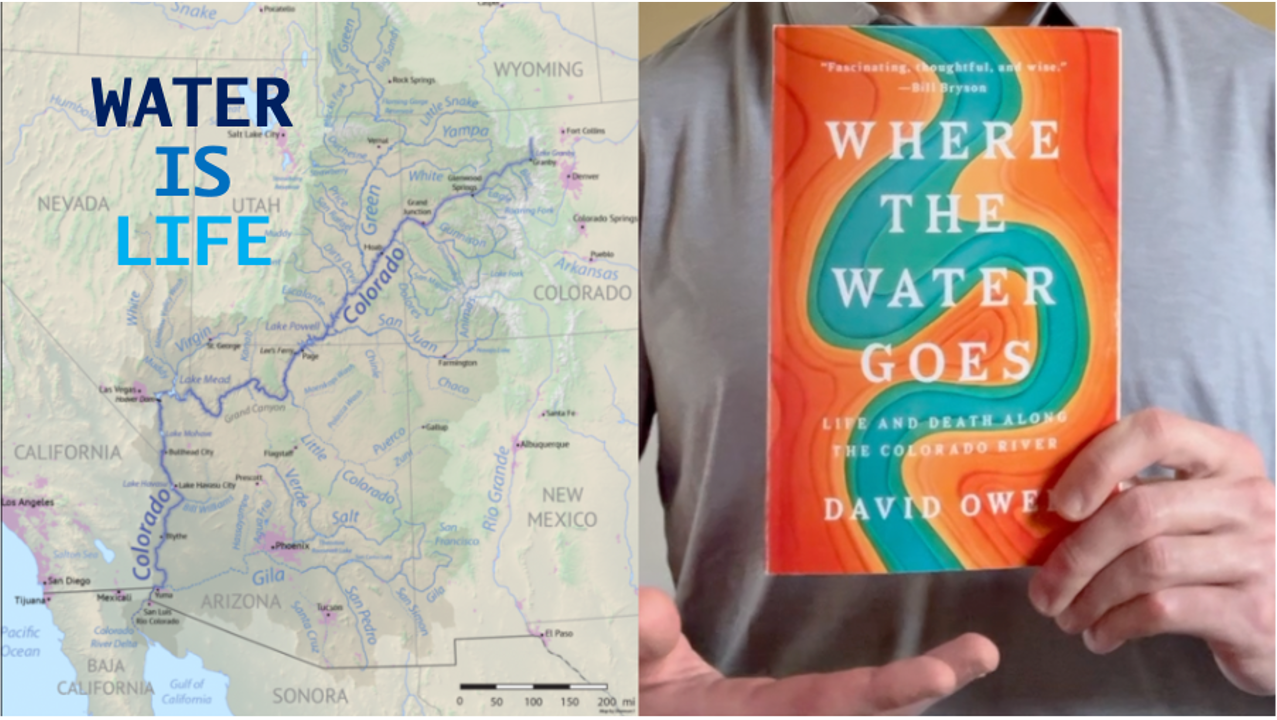

On Where The Water Goes by David Owen published in 2017.
Owen is a journalist who decided to drive from the headwaters of the Colorado River, located in Wyoming and Colorado, to its disappearing delta in Mexico.
He stops at various locations along the way to explore how and why the Colorado River is being exhausted. Why is the Colorado River being stressed? And what, if anything, should be done to reduce that stress?

Alex Hall’s research team at the University of California Los Angeles (2023) reports the Colorado River Basin lost approximately 10 trillion gallons of water in the two decades from 2000 to 2021. The UCLA research group reports that snowpack runoff caused by anthropogenic warming is a primary cause of this water-flow loss (Bass, Goldenson, Rahimi, & Hall, 2023). Globally, increased greenhouse gases may be contributing to longer and drier conditions in the Southwest United States.
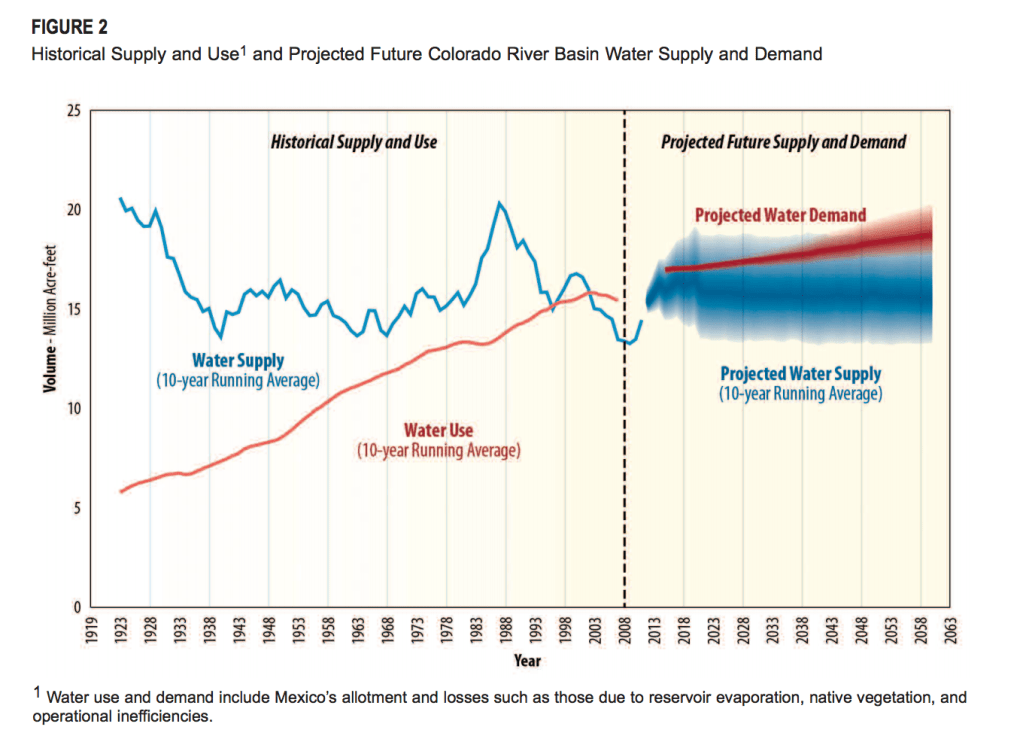
Locally, state governments and stakeholders refuse to work together to increase the river’s water-flow. Colorado River water is divided between Mexico and seven states: Wyoming, Colorado, Utah, New Mexico, Nevada, California, and Arizona. The Upper Basin States of Wyoming, Colorado, Utah, and New Mexico control more of the headwaters with the more mountainous States of Colorado and Wyoming exerting the strongest geopolitical influence over the river.
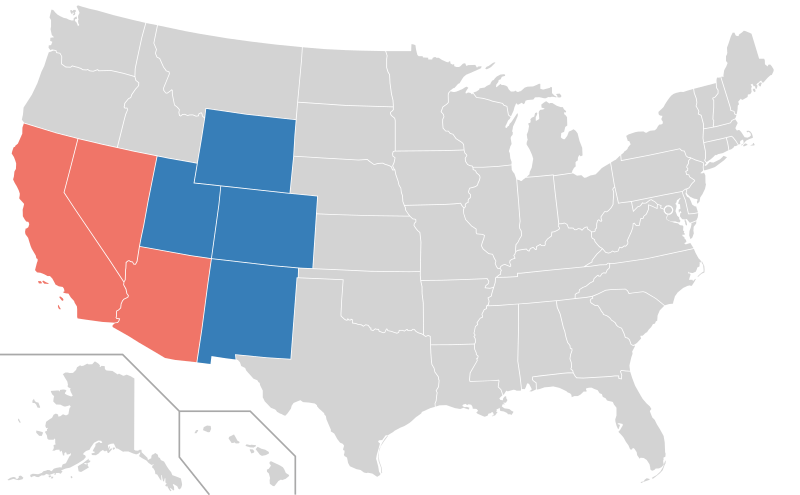
The Colorado River Compact was established in 1922 by leaders in the Upper and Lower Basin States. The agreement excluded indigenous tribes, largely ignoring Mexico, and grossly overestimated the amount of water that would flow through the river. So, the Colorado River’s water-flow has been significantly reduced over the last one hundred years. In one of the most poignant parts of his book, David Owen states, “When we use finite resources more efficiently, we make their consumption less costly to ourselves” (p. 64, Owen, 2017).”
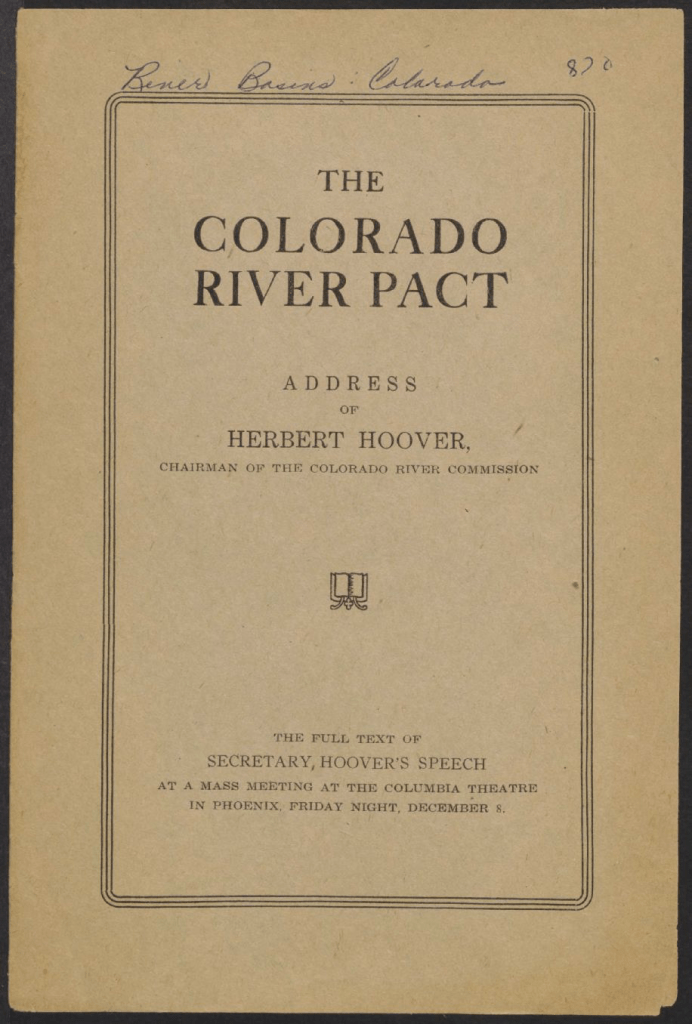
In other words, human solutions to their problems tend to create more problems. In 1926 Herbert Hoover stated, “True conservation of water is not the prevention of its use. Every drop of water that runs to the sea without yielding its full commercial returns to the nation is an economic waste” (p. 258, Owen, 2017). Herbert Hoover also demanded that both Mexico and American Indians be mentioned in the Colorado River Compact (p. 20 & p. 71, Owen, 2017). President Hoover preserved mentions of two of the key stakeholders being excluded from the Colorado River Compact while ignoring a third: the environment.

Two Colorado River Compact experts had this to say on a recent television show Tipping Point: Colorado River Reckoning (Public Broadcasting Service, 2024): “You asked the question about locking them in the room, I would lock them in a room…I wouldn’t let anybody go eat dinner until we came to a certain point in the negotiations”. The majority opinion among these experts is that stakeholders from the Upper and Lower Basin States need to negotiate a new agreement. But will that agreement create more geopolitical and environmental problems than it solves?
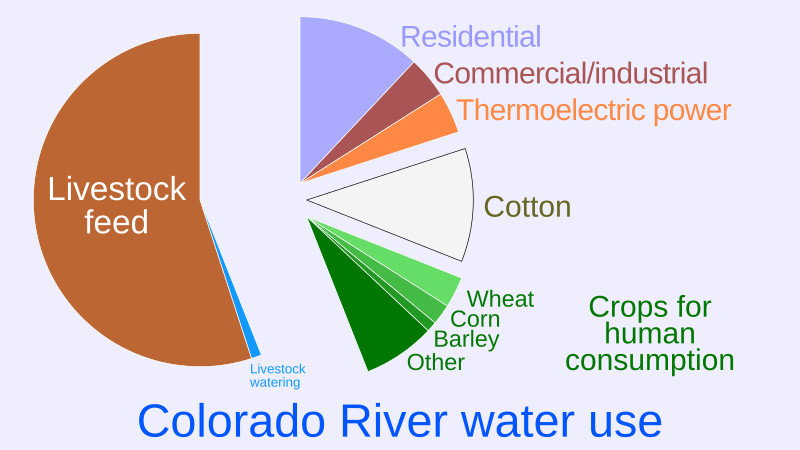
David Owen’s deep dive into the details of the biopsychosocial problems surrounding the Colorado River makes up the majority of his book. But his moments of exasperation may contain the deepest insight. Owens opens chapter six with four pages on the Colorado River’s increasing salinity and possible interventions before he notes: “The alternatives probably do not include doing nothing – a familiar paradox of civilization.”
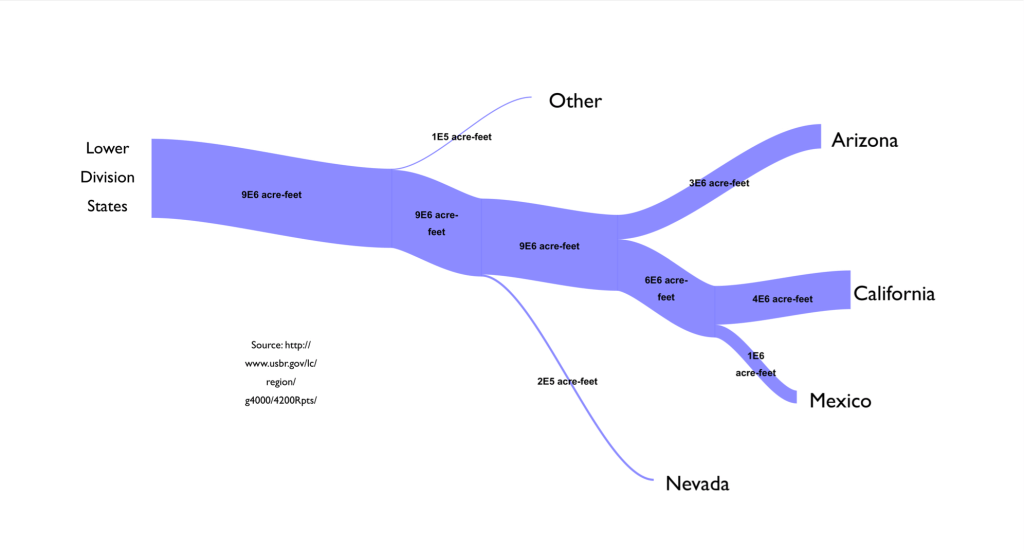
Nothing – as in being left alone – may be exactly what the Colorado River needs more of. But Where the Water Goes (2017) focuses on why the Colorado River is being stressed. And Owens asks what, if anything, should be done about it?

Sources
Bass, B., Goldenson, N., Rahimi, S., & Hall, A. (2023). Aridification of Colorado River Basin’s snowpack regions has driven water losses despite ameliorating effects of vegetation. Water Resources Research, 59, e2022WR033454. https://doi.org/10.1029/2022WR033454
Colorado River Basin has lost 10 trillions gallons of water due to climate change: Study. (2023, August 2). [Video]. NBC News. https://www.nbcnews.com/nightly-news/video/colorado-river-basin-has-lost-10-trillions-gallons-of-water-due-to-climate-change-study-189853253714
Jacobo, J. (2023, April 20). Here’s what will happen if Colorado River system doesn’t recover from “historic drought.” ABC News. https://abcnews.go.com/US/happen-colorado-river-system-recover-historic-drought/story?id=98475953
Owen, D. (2017). Where the water goes: life and death along the Colorado River. New York, Riverhead Books.
WATCH: Tipping point: Colorado River reckoning- a PBS news special. (2024, July 23). PBS News. https://www.pbs.org/newshour/nation/watch-tipping-point-colorado-river-reckoning-a-pbs-news-special
Images:
Colorado State University Libraries – Hoover’s Colorado River Compact Speech, Public domain, via Wikimedia Commons
Gaboardi, Laurie (n.d.) Photo credit. Photo of David Owen. https://www.prhspeakers.com/wp-content/uploads/2014/05/David-Owen_940_529x72-ppi2.jpg
Library of Congress, Public domain, via Wikimedia Commons
MarginalCost, CC BY-SA 4.0 https://creativecommons.org/licenses/by-sa/4.0, via Wikimedia Commons
RCraig09, CC BY-SA 4.0 https://creativecommons.org/licenses/by-sa/4.0, via Wikimedia Commons
RCraig09, CC BY-SA 4.0 <https://creativecommons.org/licenses/by-sa/4.0>, via Wikimedia Commons
Shannon1, CC BY-SA 4.0 https://creativecommons.org/licenses/by-sa/4.0, via Wikimedia Commons
Svleest, CC BY-SA 4.0 https://creativecommons.org/licenses/by-sa/4.0, via Wikimedia Commons
U.S. Department of the Interior Bureau of Reclamation, CC BY-SA 4.0 https://creativecommons.org/licenses/by-sa/4.0, via Wikimedia Commons

 Deliberating Truth